Mental health diagnosis can heal and stigmatise at once, says News18 explainer
A diagnosis can be the key to treatment and also a label people hide, and the tools doctors use to name mental illness sit squarely in that contradiction.
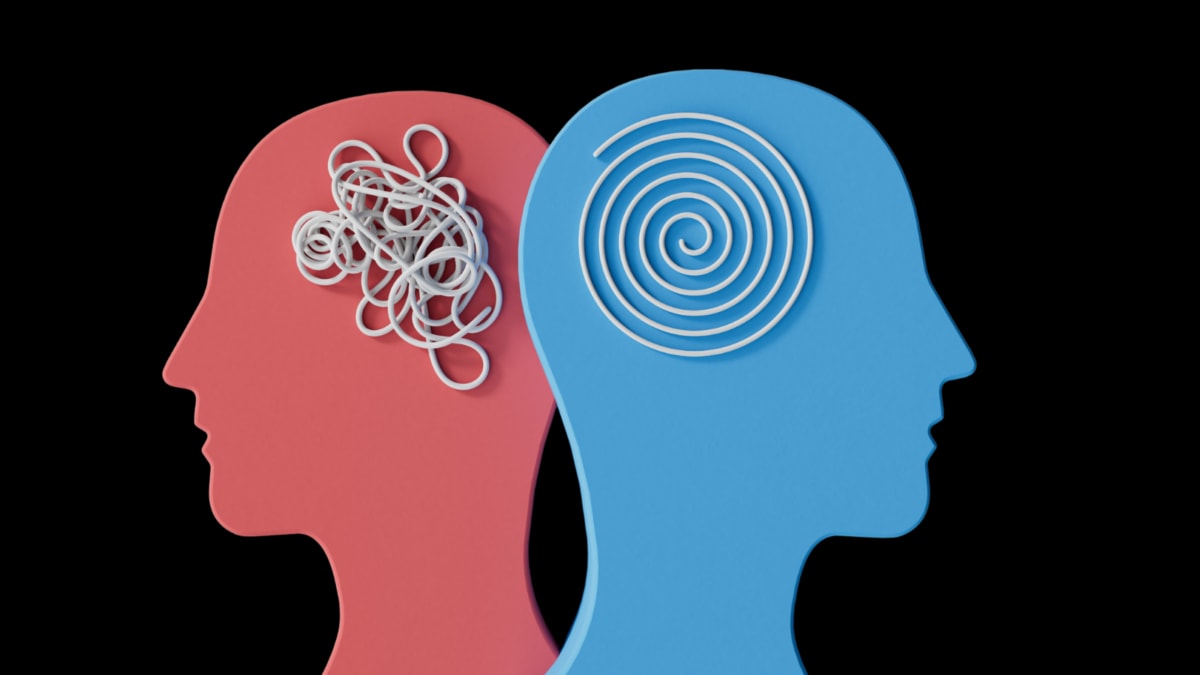
A mental health diagnosis is supposed to be the moment things start to make sense. An explainer published by News18 argues it can also be the moment the whispering starts. It examines how the frameworks clinicians use to name mental illness relate to stigma, and the answer is a messy "both".
The piece leans on sociologists Link and Phelan, who describe stigma as five things arriving together: labelling, stereotyping, separation, loss of status and discrimination, all enabled by a power imbalance. Seen that way, a diagnostic system is a tool for relief and also a very official way of handing out labels. It demystifies suffering and helps people get treated, yet it can formalise the very stigma it hopes to ease.
The article points to Rosenhan's 1973 experiment, "On Being Sane in Insane Places". In it, a false label of schizophrenia led clinicians to read ordinary behaviour as symptoms. Once the sticker was on, the person underneath became hard to see. The relationship runs the other way too: fear of being judged, or judging yourself, often kicks in before any diagnosis and keeps people from seeking help at all.
Culture shapes how heavy that label feels. The source notes that in collectivistic societies stigma tends to be more internalised and moralised than in individualistic ones. In a 2009 study across 27 countries, 72% of people diagnosed with schizophrenia felt they had to hide it. Some 47% reported discrimination in making friends, and 64% in applying for jobs, training or education. Hiding a diagnosis is exhausting, and it is also a good way to stay away from the system built to help you.
Then comes the twist: reducing stigma without understanding how diagnosis works has been linked to overdiagnosis, particularly of ADHD, autism spectrum disorder and other common mental disorders. The DSM, the most widely used diagnostic manual in psychiatry, comes in for criticism too. Its symptom-count, category-heavy approach is said to lower the bar for diagnosis, inflating prevalence estimates by as much as 46.4%. It is also said to have limited construct validity, with comorbidity as high as 50% blurring the lines between conditions.
Even the supposedly kinder, biological explanation of mental illness is a mixed bag. Framing conditions as neurobiological has increased support for treatment and eased some moral blame. But it has not cut stigma among the public, and perceptions of "dangerousness" and the wish to keep social distance have grown. In short, explaining the brain better does not automatically make people kinder to the person who has it.
The takeaway is that diagnosis is neither villain nor hero. It is a powerful tool whose effects depend on who uses it, where, and how people around the patient respond. The explainer is truncated in the version we reviewed, so read the full piece at News18.